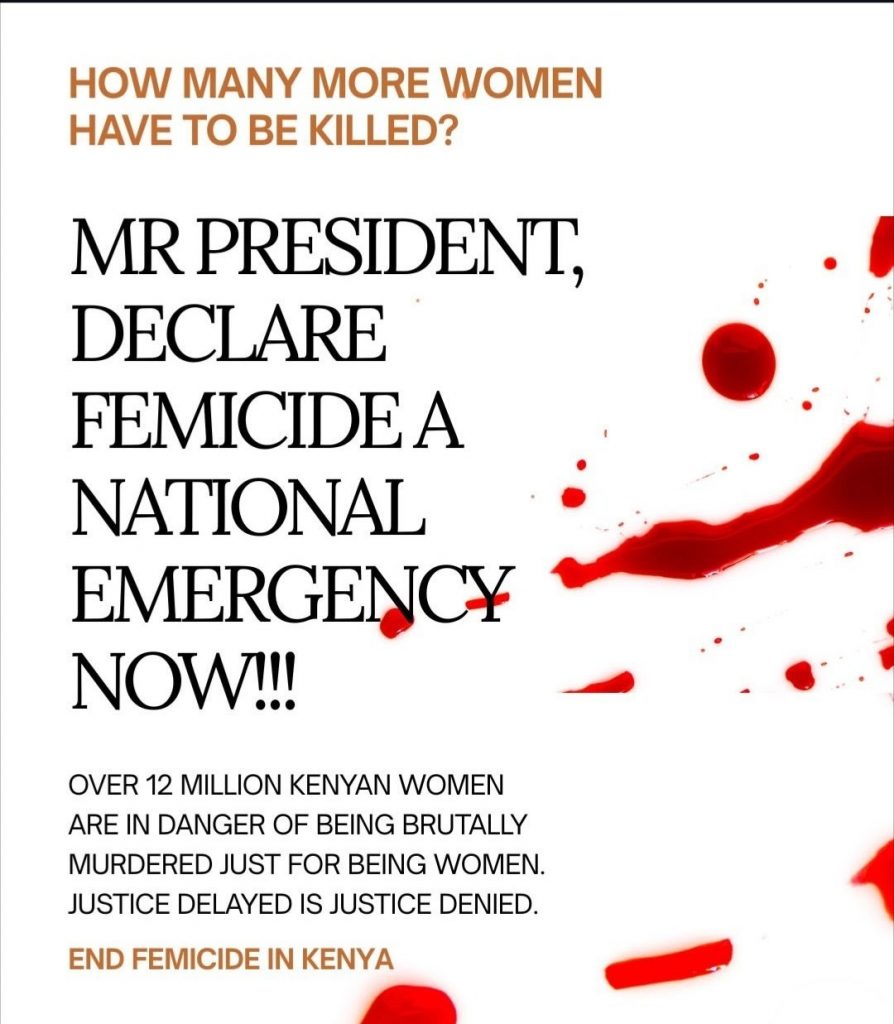
In recent years, Femicide has emerged as one of the most pressing human rights crises, cutting across borders and cultures. Behind the statistics are women whose lives were violently taken, often by those closest to them, leaving families shattered and the community grappling with silence and fear
According to FIDA-Kenya, an average of nearly one woman or girl is killed every day. Between 2016 and 2026, over 1,600 women were killed. Young women aged 18-35 are disproportionately affected, accounting for nearly 65% of recent cases, with close partners (husbands, boyfriends) being the leading perpetrators.
Nairobi, Nakuru, and Meru County are the leading counties with a consistent record of high number of cases nationally.
Activists argue that the issue is not only about individual acts of violence but about systematic failures, from inadequate legal protections to entrenched social attitudes that normalize abuse.
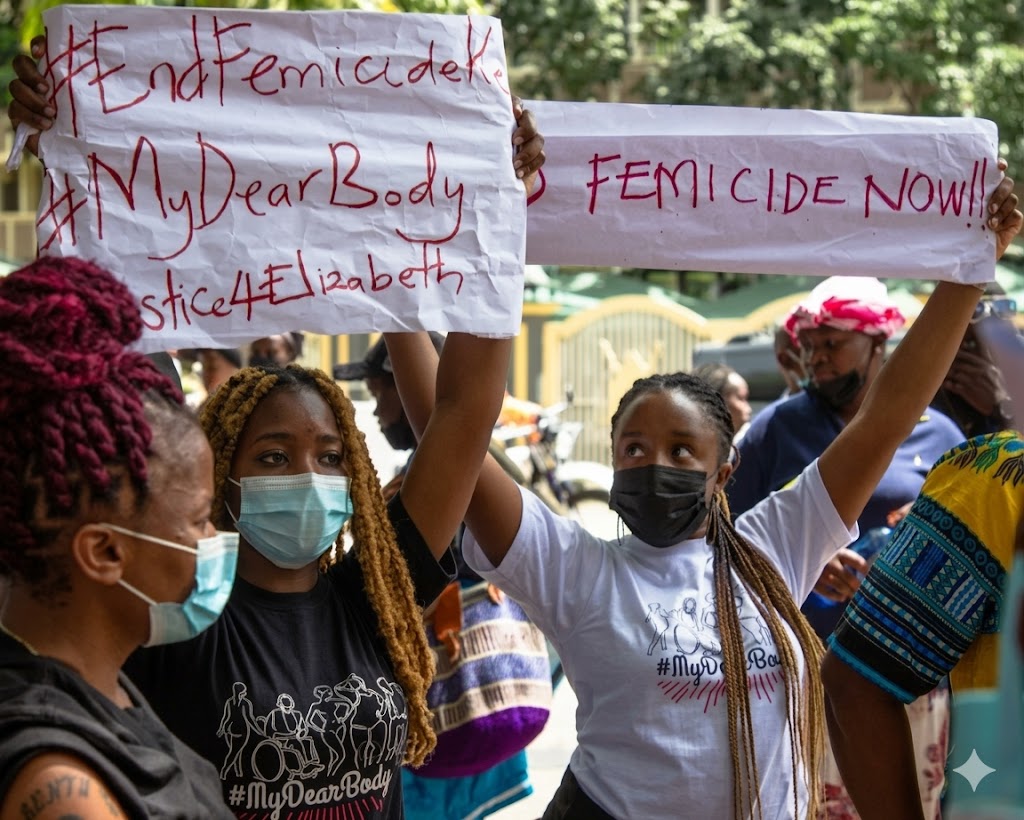
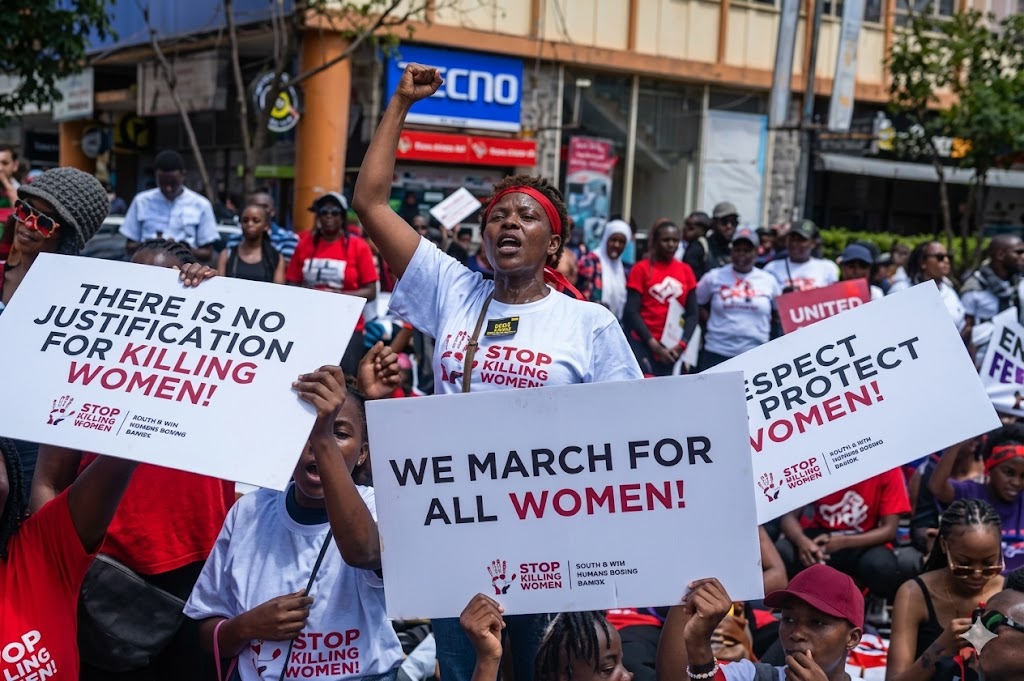
On December 10, 2024 , during International Human Rights Day, Amnesty International and the Law Society of Kenya led a march in Nairobi CBD to demand justice for the increasing killings of women in Kenya. Most of the protesters were women, calling on the government to urgently investigate the murders and hold those responsible accountable. The march used the hashtags #EndFemicideKe.
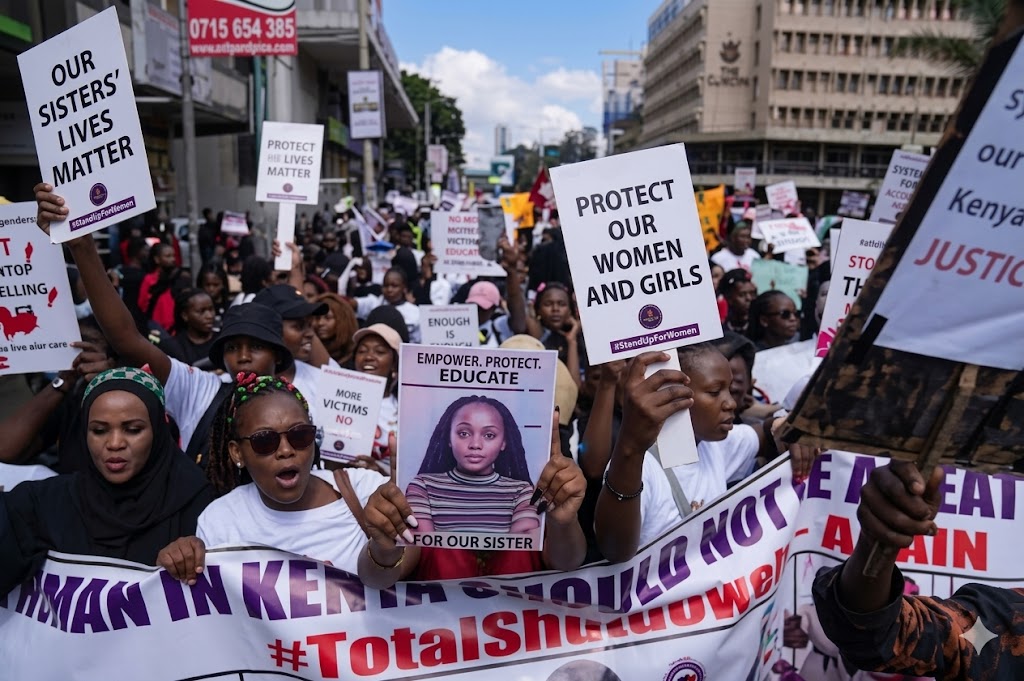
The government responded to the #EndFemicideKE march on 10th January, 2025, by rolling out a special gazette notice with a 42-member Technical Working Group (TWG) Task Force, under the leadership of President William Ruto.
Zaha.speaks in collaboration with Dada’s Daily on Instagram continues to urge the government and the president to declare Femicide as a National Emergency.