By OSDP
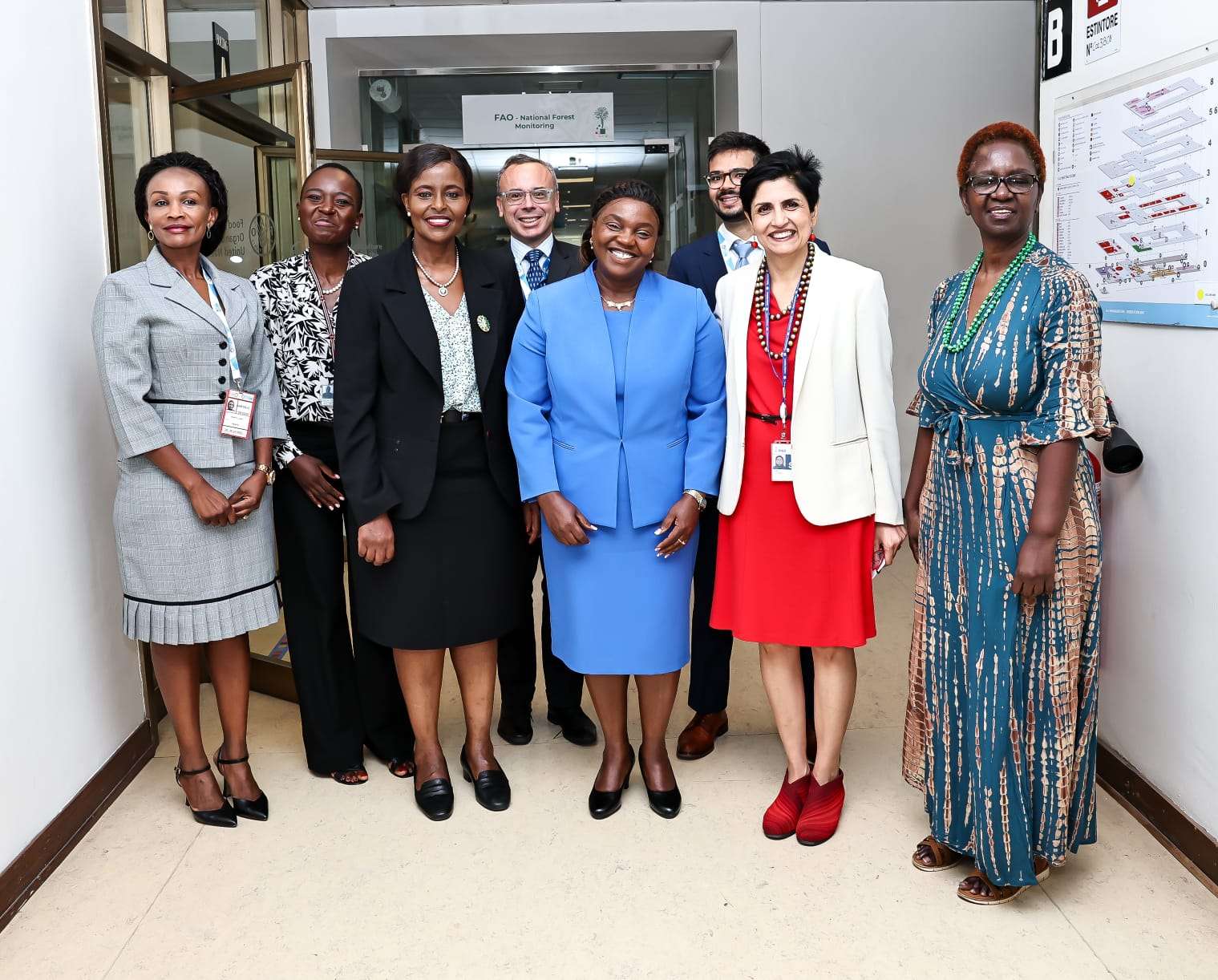
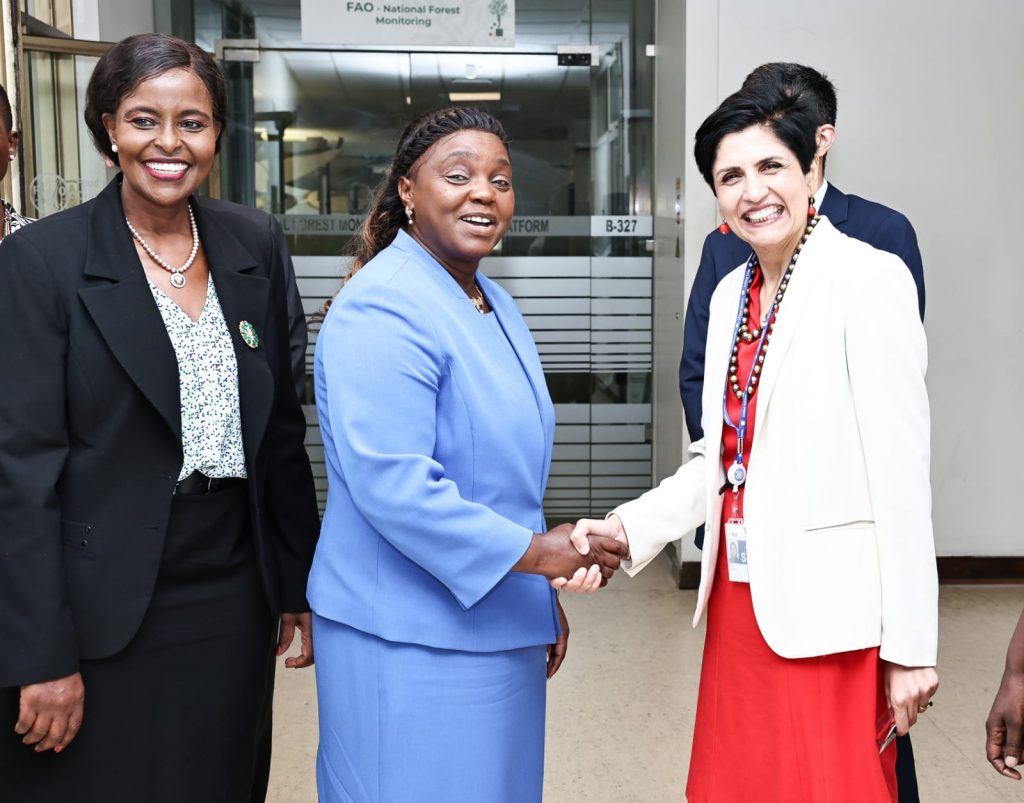
The spouse of the Deputy President Pastor Dorcas Rigathi held a series of meetings with senior officials of the World Food Programme (WFP), International Fund for Agriculture Development (IFAD) and Food Agriculture Organisation (FAO) in Italy to explore areas of collaboration in the empowerment of the youth in Kenya.
Pastor Dorcas said that it was unfortunate that the country with an energetic and willing huge population of the young people, approximately 60% were not actively involved towards contributing to the country’s economy through business, enterpreneurship and white collar jobs. She added that creation of jobs for the youth was a key priority area for the Kenya Kwanza Government.
These worrying numbers include hundreds of others lost in alcohol, drug and substance abuse; a targeted group by the Office of the Spouse of the Deputy President (OSDP) for rehabilitation, rescuing them from the streets, and making them ‘economic drivers’ for the nation.
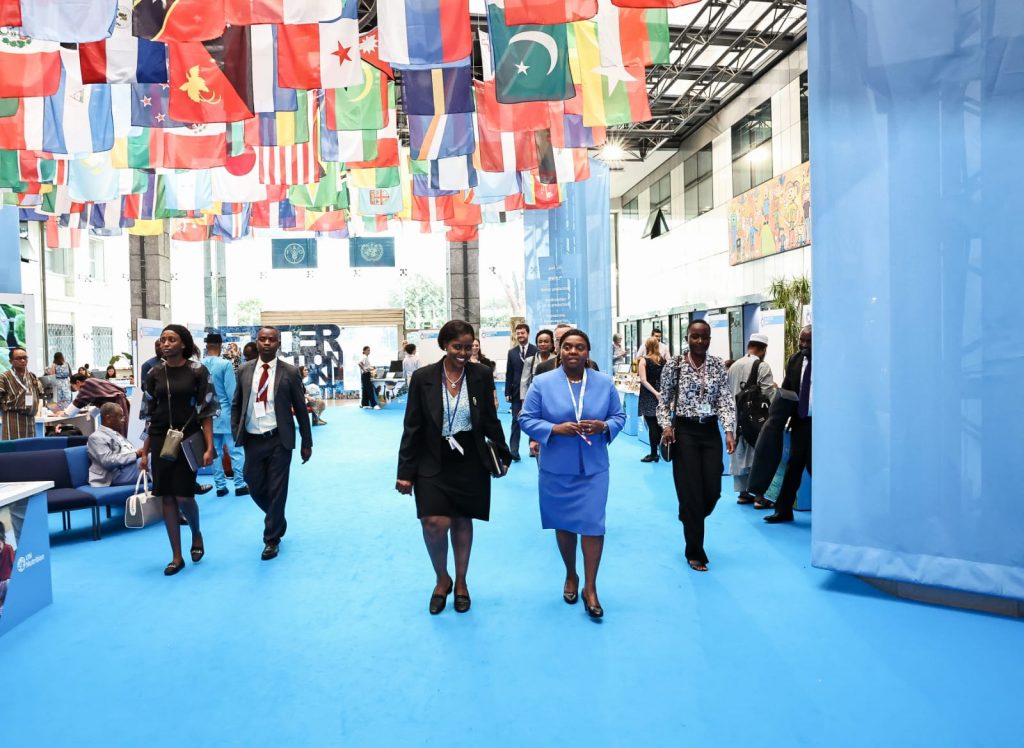
She discussed a multiplicity of issues on how to address inequality for all genders by addressing hunger, malnutrition, environmental agriculture, and rural poverty. This was in the sidelines of the United Nations Food Systems Summit+2 Stocktaking Moment, which she attended together with Deputy President Rigathi Gachagua.
“The youth and vulnerable are an enormous population, and a game changer in the economy, investment and environment,” she said. She also expressed concern on the aging population of a farmer in Kenya saying “The average age of a farmer is 67 years, and this shows the need to involve the youth more in agriculture through innovation and smart agriculture.”
She, therefore, called on partnerships and facilitation through grants and sponsorships to get rid of the ignorance among the youth towards agriculture. “I have included agribusiness in the rehabilitation centre plan for the boy child to also help the bulging youth population know they can earn much more from agriculture than white collar jobs.”
“The youth can be drivers for environmental, food security issues and contribute to the economy. They are our best bet, and a good investment, because they are energetic and willing but this must be coupled with decent wages and returns, and creating markets. And as this conference intends, we must prepare our youth through proper financing and structures, to have our youth go back to the farms and be local producers,” said Pastor Dorcas.
The Food Agriculture Organisation (FAO) through Lauren Phillips shared a working model of involving the youth, state and non-state actors that works towards environmental agriculture, climate change and creating jobs and entrepreneurship opportunities. This is the ‘Green Jobs for Youth’, in Zimbabwe.
Juan Carlos Mendoza, IFAD, Director Enviroment, Climate, Gender and Social Inclusion Division said they had created agribusiness hubs in different parts in Africa where they linked the youth with actual agribusiness companies that have operations in rural areas.
Senior Gender Officer, FAO, Clara Mi Young Park said they were continuously engaging in gender transformative approaches that involve men and boys more in the process of change and transformation, and rebalancing relationships and overcoming stereotypes that keep boys and girls from societal, family and community expectations that do not open wider opportunities for them to engage in their productive lives.
End/